
Detergents
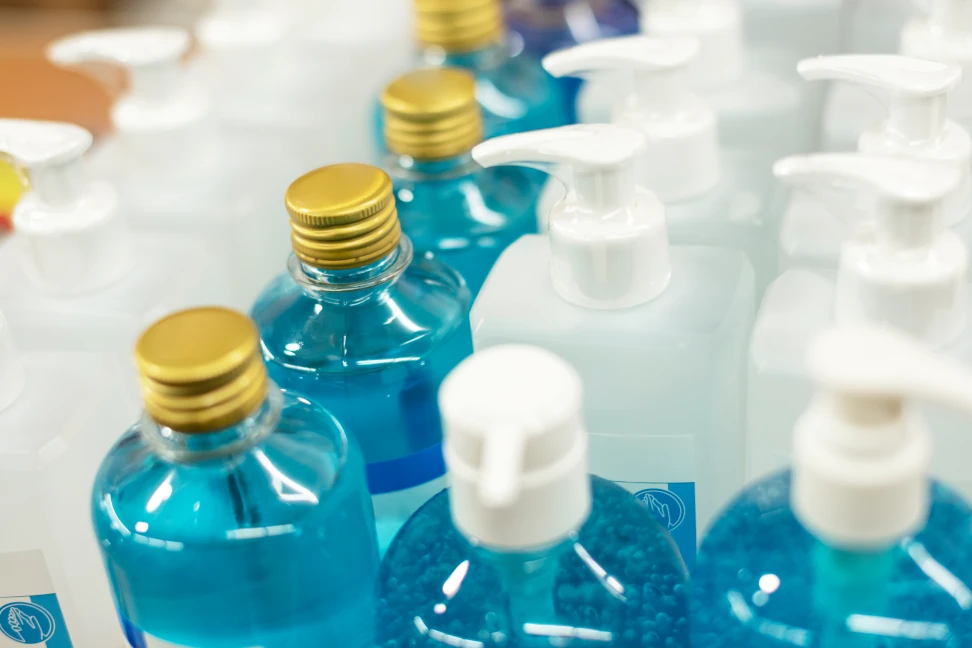
Detergents – CE marking
New regulations for detergents in the European Union
CE marking will soon apply to detergents as well!
The revision of the detergent regulation will update the requirements for detergents and their labelling, making them safer and enabling the sale of products in bulk. It will also introduce digital labels and product passports, modernising the way information is provided to consumers and authorities.
The new rules include the introduction of CE marking, through which the manufacturer declares that a detergent or surfactant meets the applicable requirements set out in EU legislation. Before affixing the CE mark, manufacturers will be required to carry out a conformity assessment to ensure that detergents and surfactants comply with the new Detergents Regulation.
What will change under the new Detergents Regulation
Updated requirements for detergents and their labelling
The new rules will:
- tighten safety requirements,
- harmonise labelling principles,
- adapt the legislation to allow the sale of detergents in bulk,
- increase transparency and clarity of information for users.
Digital labels and product passports
The reform will introduce:
- digital labels,
- product passports, which will improve access to information and enhance the traceability of detergents on the EU market.
CE marking for detergents
By affixing the CE mark, the manufacturer confirms that the detergent or surfactant:
- meets all applicable requirements of EU legislation,
- has undergone the appropriate conformity assessment,
- is safe and compliant with the new regulatory standards.

Obligations for manufacturers before affixing the CE mark
Before a detergent can bear the CE marking, the manufacturer will be required to:
Our support for detergent manufacturers includes
Compliance analysis with current and upcoming regulations:
- assessment of detergent composition in relation to REACH, CLP and the new Detergents Regulation,
- identification of prohibited or restricted substances,
- recommendations for formulation changes where necessary.
Preparation of technical documentation for CE marking:
- development of complete documentation compliant with the new requirements,
- support throughout the conformity assessment process,
- preparation of the EU Declaration of Conformity,
- assistance in communication with notified bodies (if required for specific product categories).
Safety Data Sheets (SDS) and CLP classification:
- preparation of SDS compliant with REACH and CLP,
- correct hazard classification and selection of appropriate labelling,
- adaptation of SDS to the linguistic and legal requirements of all EU Member States.
UFI generation and PCN submissions
- assistance in generating the UFI,
- submission of hazardous mixtures to Poison Centres (PCN) via the ECHA portal,
- verification of the accuracy of notifications and their alignment with product labelling.
Label development — including digital labels
- preparation of labels compliant with CLP and the new detergent requirements,
- support in creating digital labels and product passports,
- adaptation of labels for both physical and online sales channels.
Product audits and market‑surveillance readiness:
- assessment of detergent compliance with EU legislation,
- identification of regulatory risks,
- preparation for market‑surveillance inspections and corrective actions.